How to Check Shutter Count on Used Cameras: A Buyer's Guide
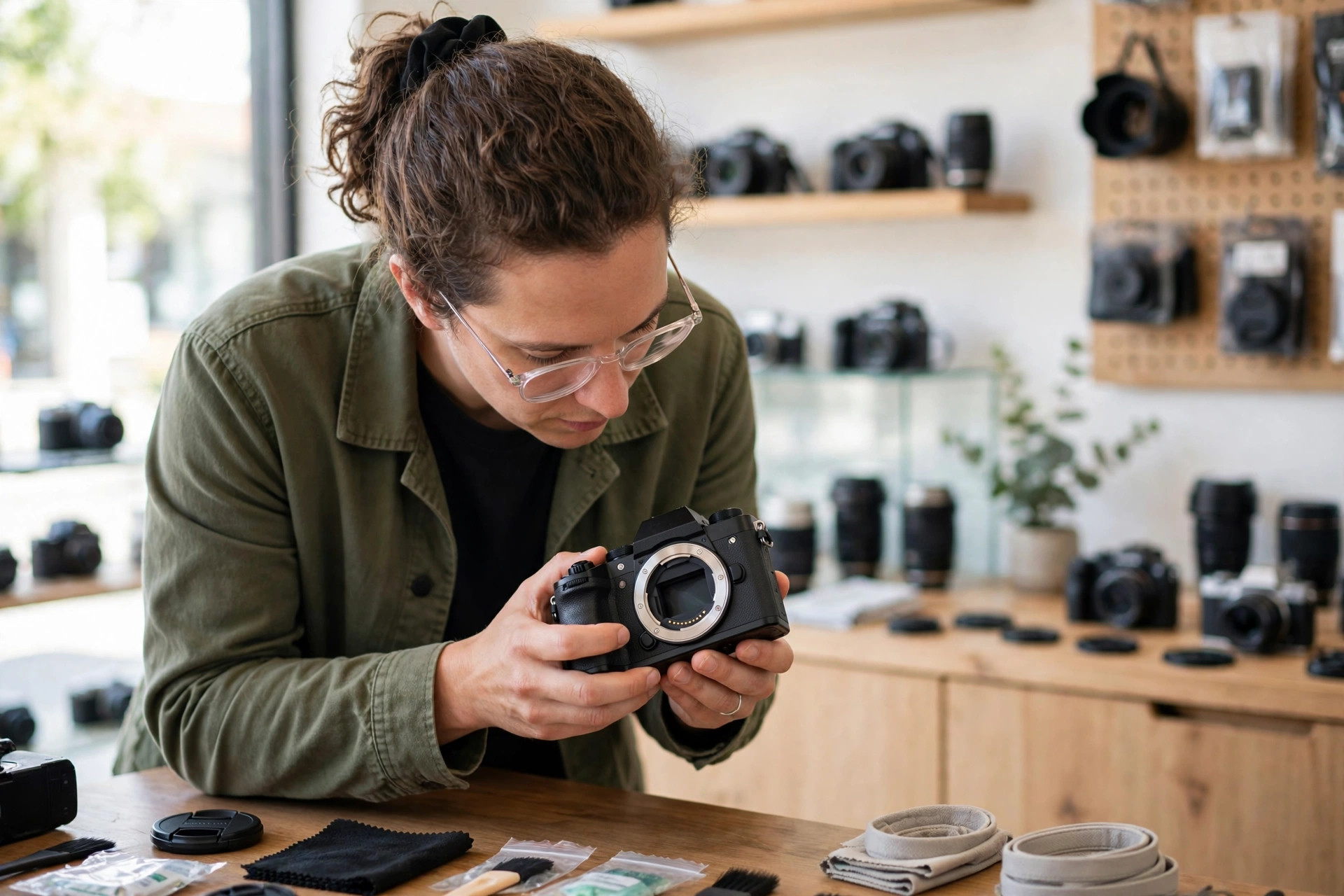
When you buy a used car, you check the mileage first. When you buy a used camera, the closest equivalent is the shutter count: the number of times the mechanical shutter has fired. It is not the whole story, but it is the single most useful number for judging how much working life the shutter may have left. Here is how to find it, and what else to check before you hand over your money.
What shutter count actually means
Every time you press the shutter, the mechanical shutter opens and closes to expose the sensor. That mechanism wears with use, much like a car's engine. Different camera models are built to different durability standards, and heavy professional use — weddings, sports, timelapse work — racks up actuations far faster than casual weekend shooting. A low count on a camera that was used gently is a good sign. A very high count does not automatically mean the camera is about to fail, but it does mean you should price in the possibility of a shutter replacement sooner, and weigh that against the asking price.
One caveat: shutter count is only meaningful for cameras with a mechanical shutter. If a camera has spent most of its life shooting in fully electronic silent mode, the mechanical count may stay low while the camera itself has seen plenty of use. That is why the count is a starting point, not a verdict.
Where to find the shutter count
There is no single universal location, and the method depends on the camera in front of you. Work through these in order:
What the number does — and does not — tell you
- It tells you about use, not care. A camera used outdoors in dust and rain ages differently from one kept in a dry cabinet, even at the same count.
- It says nothing about the sensor. Dust, fungus, or oil spots on the sensor are separate problems. Shoot a plain sky or white wall at a small aperture and look for fixed dark spots before you buy.
- It says nothing about the lens mount or autofocus. A loose mount, sticky aperture blades, or a noisy focusing motor will not show up in any count.
- It is not a price formula. Two cameras with identical counts can deserve very different prices depending on condition, accessories, and service history.
The 10-minute inspection to do alongside the count
- Look at the body honestly. Heavy brassing on the edges, a dented hot shoe, or a wobbly battery door suggests hard professional use, whatever the count says.
- Test every shutter speed. Fire a few frames at fast, medium, and slow speeds and listen. The sound should be crisp and consistent, with no hesitation or sticking.
- Check the sensor. As above, a small-aperture shot of a bright, even surface reveals dust and spots immediately.
- Mount a lens and test autofocus. Focus near and far, in good light and dim light. Listen for grinding or hunting that does not settle.
- Check the mount and contacts. The lens should lock firmly with no play, and the electrical contacts should be clean and undamaged.
- Look through the viewfinder and at the screen. Check for scratches, dead pixels, and any discoloration.
Should you walk away over a high shutter count?
Not necessarily. Ask three questions instead. First, does the price reflect the count? A high-count camera should cost noticeably less than a low-count example of the same model in similar condition. Second, is the camera otherwise healthy — sensor clean, shutter action crisp, mount tight? Third, can you get it serviced if the shutter eventually needs work? A shutter replacement is a routine repair for most common models. If the answers are yes, yes, and yes, a high-count camera can be excellent value. If the seller cannot show you the count and refuses an inspection, that is a different matter — walk away.
And if you already own a camera and are wondering whether it is time to sell, the same logic works in reverse. A documented, honest shutter count, a clean sensor, and a recent service make your camera easier to sell and easier to price fairly.
Buying or selling used gear? Get a free, honest valuation
Luran Camera, Changzhou · 18 years of camera repair experience · Camera repair · Used camera trade-in · Sensor cleaning
📞 Call 159-6127-6059 💬 Contact us